Choosing Organic Cotton Percale Sheets: A Practical Guide to Comfort and Longevity
A Time-style exploration of what makes organic cotton percale a standout choice for sleepers who crave breathability, durability, and responsible sourcing. We’ll navigate the weave, the fiber, the certifications, and the care rituals that keep sheets crisp, cool, and long-lasting—and we’ll anchor the journey with real product examples that embody quality and form.
Introduction: The Crisp, Cool Hand of Percale
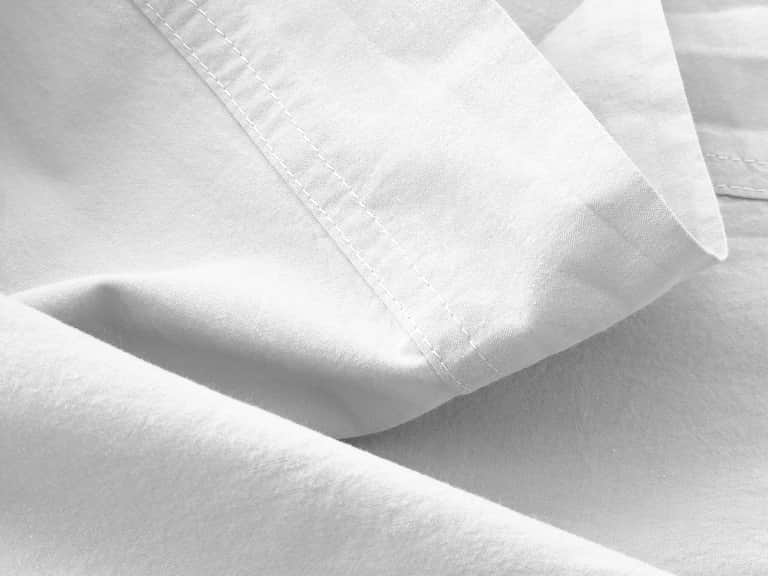
Percale is not merely a weave; it is a philosophy of texture. The one-over, one-under harmony yields a matte, crisp hand that feels refreshingly breathable—a natural ally in warm climates or for sleepers who overheat at night. When that percale is made from organic cotton, the benefits extend beyond comfort to environmental stewardship and health considerations. Organic cotton percale tends to be cooler, lighter, and more durable over time, precisely because the fibers are cultivated without synthetic pesticides and processed with fewer chemicals along the way.
In a world of rapidly shifting textiles, organic cotton percale stands as a constant: a reliable, hotel-room crispness that improves with laundering. Yet the market is broad. To separate substance from style, it helps to understand the core factors that shape performance: fiber length, certification, thread count myths, and the weave’s intrinsic properties that influence airflow and feel.
Key Factors to Evaluate
-
Fiber length and quality: Longer-staple cotton fibers generally yield a stronger, smoother fabric with less pilling. In organic cotton, long-staple varieties tend to deliver a crisper hand without sacrificing softness, especially after multiple wash cycles.
-
GOTS and other certifications: GOTS (Global Organic Textile Standard) certification is a leading indicator of organic and environmentally responsible processing from fiber to finish. When shopping, look for GOTS as a signal of organic origin and reduced chemical exposure, though additional certifications such as Fair Trade can reinforce ethical practices.
-
Thread count myths and real durability: A 300-thread-count percale sheet is a common benchmark that balances durability with breathability. Percale’s crisp texture tends to soften with washing, but the weave’s structure remains the defining feature—airflow channels created by the weave, not simply the fiber density.
-
Weave characteristics: Percale is a simple, evenly balanced weave offering a matte finish and a cool hand. This is distinct from satin or sateen weaves, which drape and feel softer but can be warmer and less breathable.
-
Care and longevity: Proper care—wash with like colors in warm to cool water, tumble dry on a moderate heat, and avoid harsh detergents—helps maintain weave integrity and the crisp hand that defines percale.
Practical Buying Guidelines: Making Organic Percale Work for You
When choosing organic cotton percale, your priorities may tilt toward temperature regulation, ease of care, or tactile feel. Here are practical steps to align a purchase with your needs:
-
Define climate needs: If you live in a hot climate or tend to sleep hot, lean into lighter percale with a crisp texture. Organic cotton percale is well-suited to airflow and quick moisture dissipation.
-
Check fiber source and certification: Look for certified organic cotton (GOTS as a gold standard) with transparent fiber origin and processing details.
-
Assess thread count in context: A 260–300 TC percale is typical for a crisp, breathable sheet. If a sheet claims “400 TC percale,” verify that the higher count results from multi-ply yarns or other enhancements, which may alter breathability and feel.
-
Read finish and care guidance: Some organic percale sets are finished with plant-based softeners or minimal chemical processing. Familiarize yourself with the recommended washing temperatures and drying cycles.
-
Consider fit and depth: Ensure the fitted sheet depth matches your mattress thickness or adjustable bed setup. Deep pockets and secure elastic corners reduce shifting and provide a smooth sleeping surface.
Three Time-Period Perspectives: How Bedding Has Changed—and Why It Matters
An informed bed is one that remembers the past while serving the present. Here are three thinkers from distinct eras who illuminate how we translate textile science, habit, and design into daily comfort.
Early 20th Century: The Rise of Mass-Produced Comfort
A reflection on industrial textile advances and standardized comfort.
In the early 20th century, standardized bed linens made high-quality sleep more accessible. The shift toward uniform thread counts and consistent finishes opened doors for households to experience reliable comfort without bespoke textiles. Organic options, though not yet mainstream, began as a countercurrent—an aspirational path toward purity and durable wear, long before sustainability became a household word.
Mid-20th Century: The Hotel Aesthetic Goes Home
Crisp percale and the hotel-room standard.
With hotels codifying a crisp, cool sleeping surface, percale emerged as the benchmark for hospitality-grade linens. The mid-century era popularized a precise, hotel-like feel—cool, breathable, and impeccably tidy. Consumers began to associate percale with cleanliness and reliability, a theme that persisted as textile science advanced and consumer awareness about fiber quality grew.
Contemporary Era: The Organic Revolution and Ethical Choices
Organic cotton, certifications, and transparent sourcing.
Today, the conversation about sheets centers on organic cultivation, sustainable processing, and truth in labeling. GOTS certification, fair-trade considerations, and transparent supply chains empower consumers to choose bedding that aligns with environmental and health values while preserving the timeless benefits of percale: breathability, crispness, and a surface that remains inviting wash after wash.
A Concrete Example: Summerhill Blue Silk Fitted Sheet as a Benchmark
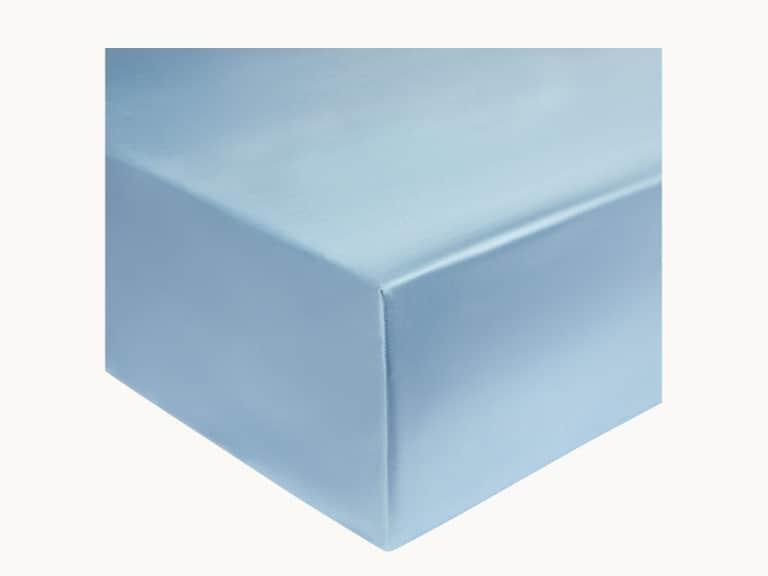
While organic cotton percale remains a central focus of this guide, it’s instructive to consider how other materials perform in real-life settings. The Summerhill Blue Silk Fitted Sheet, crafted from 100% mulberry silk with a 22 momme weight, represents a different philosophy—temperature regulation, skin compatibility, and premium luxury. Silk brings hypoallergenic properties and natural moisture retention benefits that contrast with percale’s crisp, breathable profile. In a thoughtful bedding strategy, silk can complement organic cotton percale, offering seasonal versatility without sacrificing a commitment to natural, high-quality materials.
Key attributes to notice in the Silk sheet include:
- 22 momme weight for a balanced drape and durability
- Silk’s natural moisture management and hypoallergenic properties
- Care considerations: gentle washing and air drying to preserve sheen
In practical terms, integrating silk with organic percale means recognizing complementary strengths: silk can regulate temperature and be gentle on sensitive skin, while organic percale delivers crispness, longevity, and washability. For households seeking a balanced, non-commercial approach to sleep comfort, a mixed strategy—core percale sheets with occasional silk layering—offers the best of both worlds.
Product highlight (displayed): Summerhill Blue Silk Fitted Sheet — 100% mulberry silk, 22 momme weight, 35 cm pocket depth. Care: machine wash on delicate cycle up to 30C with mild detergent; air dry and cool iron to restore suppleness.
Note: Images are provided for selection reference. Displayed image must be loaded if the user triggers a preview in a product gallery.
Care and Longevity: Keeping Percale Crisp
The longevity of organic percale depends as much on care as on construction. Here are best practices to preserve texture, color, and fit over time:
- Washing: Use warm water with a mild, color-safe detergent. Avoid harsh chemicals that can degrade fibers and elasticity over time.
- Drying: Tumble dry on a medium setting or line dry to protect weave integrity and prevent excessive wrinkling that can affect fit.
- Sorting: Wash with like colors to prevent dye transfer and preserve whiteness or light hues.
- Ironing: If desired, iron on a cool setting while slightly damp to maintain a crisp finish without damaging the fibers.
- Storage: Ensure sheets are fully dry before folding and storing in a cool, dry place to prevent mildew and discoloration.
In Practice: A Layered Approach to a Good Night’s Sleep
For many households, a layered approach provides the best balance of comfort, climate control, and care. Start with a core set of organic cotton percale sheets as the foundation—breathable, crisp, and durable. Seasonally, introduce textiles like a silk top layer or silk pillowcases to address hair and skin concerns, while preserving the percale base. This strategy supports allergy-friendly routines and enables adaptivity to seasonal shifts without sacrificing a coherent, eco-conscious philosophy.
This approach mirrors a broader philosophy for Direction A: an independent bedding knowledge hub that educates without commercial pressure. By centering education around materials science, care techniques, and transparent sourcing, readers can build a sleep environment that is comfortable, sustainable, and lasting.
Takeaways: What to Remember When You Shop
- Organic cotton percale offers a crisp, breathable surface ideal for warm sleepers and climates; look for long-staple fibers and a credible certification like GOTS.
- Thread count matters, but weave integrity and fiber quality matter more for breathability and longevity. A typical durable target is around 260–300 TC for percale.
- Certifications signal commitment: prioritize GOTS, and consider additional certifications to confirm ethical and environmental standards.
- Care strategies extend life: proper washing, drying, and storage preserve crispness, drape, and fit.
- Consider a layered approach: a solid organic percale core with occasional silk accents can offer seasonal versatility without compromising ecological goals.
A Note on the Website Identity
This article aligns with Direction A: an Independent Bedding Knowledge Hub. It emphasizes educational content about sheets and related textiles, including material science, weave typologies, care practices, and sustainable buying considerations. While product references are included to illustrate real-world performance, the focus remains on informing readers to make thoughtful, non-commercial decisions.
Further Reading and Resources
To continue your journey, consider these practical topics:
- Glossary of bedding terms: percale, sateen, thread count myths, weaves, and finishes.
- Understanding organic certifications: what GOTS covers, what it means for your health and the environment.
- Care checklists for households with allergies or sensitive skin.
Calls to Action
If you’d like, I can draft a sample site map and 10 initial article ideas to jump-start content creation for Direction A, tailored to your audience and SEO goals. For now, the focus remains on credible, evidence-based guidance that informs, educates, and respects the reader’s desire for quality sleep and environmentally responsible choices.
Product Display (Selected)
Summerhill Blue Silk Fitted Sheet
Pure mulberry silk, 22 momme. Hypoallergenic properties and moisture-friendly finish for skin and hair.
Price: $695.00
Cloud Soft Organic Sateen Sheet Set
GOTS-certified organic cotton, 300 thread count, finished with miDori bioSoft for softness and wrinkle resistance.
Price: $248.00
Note: Imagery for these products can be displayed upon request, and product links can be embedded in the article where appropriate to maintain neutrality and non-commercial balance.